


Eczema and Diet: A Deeper Look

Updated: Aug 28
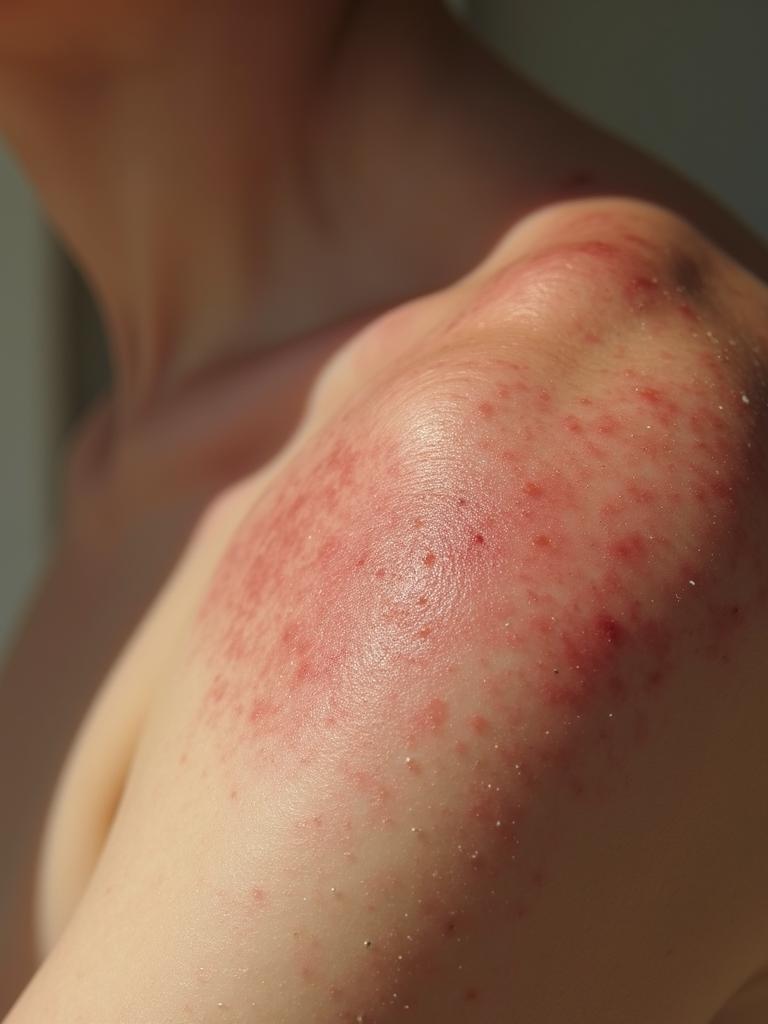
Eczema Is More Than Skin Deep
Our skin is the largest organ in the body, and it often reflects what's happening internally. Food influences inflammation, blood sugar regulation, hormone balance, immune function, and gut health, all of which may affect the health of your skin. While topical skincare plays an important role in protecting the skin barrier, supporting your body from the inside may be just as important.
Why Some People Explore an Animal-Based Diet
An animal-based, low carbohydrate diet typically focuses on nutrient-dense foods such as:
Beef and lamb
Seafood
Eggs (if tolerated)
Animal fats
Bone broth
Organ meats
Many people also include small amounts of fruit or dairy depending on their personal tolerance. By removing processed foods, refined sugars, industrial seed oils, and many common dietary irritants, some individuals report improvements in inflammatory skin conditions, including eczema. Although everyone's experience is different, several mechanisms may explain why.

1. Reduced Sugar May Mean Reduced Inflammation
Highly processed carbohydrates and sugar can contribute to blood sugar spikes and inflammatory signaling throughout the body. A very low carbohydrate diet helps stabilize blood glucose and insulin levels, which may reduce one source of chronic inflammation for some individuals.
2. Removing Common Dietary Triggers
Many people discover that certain foods appear to worsen their eczema. These may include:
Wheat
Refined sugar
Industrial seed oils
Ultra-processed foods
Artificial colors and preservatives
Certain plant foods in susceptible individuals
An animal-based elimination diet simplifies food choices, making it easier to identify foods that may be contributing to flare-ups.
3. Nourishing the Skin With Essential Nutrients
Animal foods provide many of the nutrients your skin relies upon for repair and maintenance. These include:
Vitamin A
Zinc
Iron
Vitamin B12
High-quality protein
Collagen-building amino acids
These nutrients support normal skin repair, collagen production, immune function, and the maintenance of healthy skin.
Zinc: A Mineral Your Skin Depends On
One nutrient that deserves special attention is zinc. Zinc plays a vital role in maintaining the skin barrier, supporting wound healing, and regulating normal immune function. Zinc deficiency has been associated with impaired skin healing and reduced skin integrity.
The richest animal sources of zinc include:
Oysters
Beef
Lamb
Crab
Beef liver
Egg yolks
Because zinc from animal foods is highly bioavailable, it is generally absorbed more efficiently than zinc from plant sources.

4. Healthy Animal Fats Support the Skin Barrier
Healthy skin depends on healthy fats. Animal fats naturally provide stable saturated and monounsaturated fats that become part of healthy cell membranes and help support the skin's protective barrier. Many people also choose to remove industrial seed oils from their diet. While research continues, some scientists believe reducing excessive omega-6 intake may help support a healthier inflammatory balance.
5. The Gut-Skin Connection
Researchers continue to investigate what is known as the gut-skin axis. Changes in gut health may influence immune responses that affect the skin. For some individuals, simplifying the diet and removing foods they poorly tolerate may improve digestive symptoms alongside improvements in eczema. Although research is ongoing, this connection is becoming increasingly recognized.
Could Oxalates Be Contributing?
Another area receiving growing attention is dietary oxalates. Oxalates are naturally occurring compounds found in many plants. Most people tolerate them well, but some individuals may be more sensitive, particularly those with digestive disorders, nutrient deficiencies, or altered oxalate metabolism. Foods particularly high in oxalates include:
Spinach
Almonds and almond flour
Sweet potatoes
Swiss chard
Beets
Rhubarb
Dark chocolate
Cocoa
Black tea
Buckwheat
Some practitioners believe excessive oxalate intake may contribute to inflammation or irritation in susceptible individuals. While many people report improvements in skin conditions after reducing high oxalate foods, the scientific evidence directly linking oxalates with eczema remains limited. Interestingly, an animal-based diet naturally removes many of the foods highest in oxalates. If symptoms improve, it can be difficult to know whether the benefit comes from reducing oxalates, lowering carbohydrate intake, removing processed foods, or eliminating another dietary trigger. In many cases, it may be a combination of factors.
Why Does Eczema Often Get Worse During Winter?
Many people notice their eczema becomes significantly worse during the colder months. This is likely due to several factors working together.
Lower Vitamin D Levels
Vitamin D plays an important role in skin health and immune regulation. During winter, we spend less time outdoors, expose less skin to sunlight, and naturally produce less vitamin D. Research has found that people with eczema are more likely to have low vitamin D levels, and correcting a deficiency may help reduce eczema severity in some individuals. While vitamin D is not a cure, maintaining healthy levels is an important part of supporting healthy skin.
Heating Can Dry Out Your Skin
Wood fires, gas heaters, electric heaters, and reverse-cycle air conditioners all reduce moisture in the surrounding air. Dry indoor air increases water loss through the skin, leaving eczema-prone skin feeling tight, itchy, and more vulnerable to cracking. Simple strategies that may help include:
Avoid prolonged exposure directly in front of heaters.
Consider using a humidifier if your home becomes very dry.
Apply a rich moisturizer immediately after bathing while the skin is still slightly damp.
Wear soft, breathable natural fibers where possible.
Summer Has Its Challenges Too
Air conditioning can also dry the skin, while heat and sweating may trigger itching for some people. Protecting the skin barrier throughout every season is often just as important as treating flare-ups once they occur.
Don't Forget What Goes On Your Skin
Diet is only one piece of the puzzle. Many people with eczema also benefit from simplifying their skincare routine. Synthetic fragrances, harsh cleansers, alcohol-based products, and heavily processed creams may further irritate an already compromised skin barrier. Choosing simple, nourishing skincare made with ingredients your skin recognizes may help protect and support the skin while it heals.
At Carnivore Origins, our grass-fed and finished tallow skincare is created with this philosophy in mind. Tallow naturally contains skin-compatible fats that closely resemble those found in healthy human skin, making it a beautiful choice for dry, sensitive, and eczema-prone skin.
Tallow Options for Eczema-Prone Skin
The Bottom Line
An animal-based, very low carbohydrate diet is not a proven cure for eczema. However, emerging research and countless personal experiences suggest it may help some individuals by reducing inflammation, identifying food sensitivities, improving nutrient intake, and supporting the body's natural ability to maintain healthy skin. Combined with adequate vitamin D, a nutrient-rich diet, simple skincare, and an awareness of seasonal triggers, it may become one important part of a broader eczema management strategy. Healing rarely comes from one magic cream or one magic food. More often, it comes from creating an environment where the body is given every opportunity to repair itself.
Disclaimer
This article is intended for educational purposes only and should not be considered medical advice. If you have persistent or severe eczema, or are considering significant dietary changes, consult your healthcare professional. Every individual is different, and what works for one person may not work for another.

Comments