


How Coffee Shows Up Under Your Eyes and In Your Body

Updated: Feb 4
If you’re waking up with puffy eyes and stiff, sore muscles, your caffeine intake could be the problem. As a long-term high-fat carnivore, I had to heal my body by removing all plants. That included coffee. It was the hardest thing I’ve ever done. Honestly, it still plagues me. I have a true unhealthy love/hate relationship with it.
After giving up coffee, things stabilized. My body softened. My cortisol levels came down. My hormones calmed down. My cycle became regular. My sleep deepened. My face changed.
Then recently, I reintroduced coffee, and something shifted. I noticed a lot of puffiness. My eyes became weepy. I experienced painful periods and a lot of discomfort. That heavy, swollen look around the eyes ~the kind that makes you feel like you didn’t sleep, even when you did.... became so noticeable. I felt aches in my shoulders, hips, and feet. There was more soreness after workouts. I woke up exhausted instead of restored.
It made something very clear. Once you remove coffee long enough, you finally see what it’s actually doing to the body. And once you understand why, it’s hard to keep pretending it’s just genetics or implied exhaustion.

The Eye Area Is the First Place the Body Tells the Truth
The skin around the eyes is not built like the rest of the face. It’s thinner. It has fewer oil glands. It has less structural fat and collagen. It sits over a dense network of blood vessels and lymphatic channels. This makes it incredibly responsive and honest. When fluid balance shifts, when stress hormones rise, and when recovery suffers, the eye area shows it first.

What Coffee Is Actually Doing Chemically
Caffeine blocks adenosine receptors. Adenosine is involved in:
Relaxation of blood vessels
Sleep pressure
Inflammatory regulation
When caffeine blocks it, cortisol and adrenaline rise. This creates alertness, but it also changes how the body handles fluid. Despite its reputation as a diuretic, caffeine often redistributes fluid rather than removing it, especially when hydration or electrolytes aren’t optimal.
Where does that fluid go? Loose connective tissue. The loosest connective tissue on your face lives under your eyes.
Cortisol, Fluid Retention, and Puffy Eyes
Caffeine stimulates cortisol: your primary stress hormone. Elevated cortisol:
Increases vascular permeability
Affects sodium retention
Slows lymphatic clearance
This allows fluid to leave the bloodstream more easily and settle into surrounding tissue. At night, when you lie down and gravity stops helping drainage, that fluid pools. You wake up puffy...not inflamed, not dry...just swollen. This is why caffeine eye creams only work briefly. They constrict blood vessels temporarily. They don’t restore drainage or tissue health. They tighten but don’t resolve.
Why Coffee Also Shows Up as Pain and Poor Recovery
Here’s where the body and the face connect. Caffeine keeps the nervous system in a more stimulated state. That means higher muscle tone, reduced parasympathetic recovery, and a lower pain threshold. You don’t become injured; you become sensitised. Muscles hold tension longer. Inflammation clears more slowly. Soreness feels sharper and lasts longer.
Just like muscles rely on circulation and lymphatic flow to recover after training, the face relies on the same system to clear fluid overnight. When recovery is incomplete, both suffer. You feel it as stiffness and aches. You see it as bags under the eyes.

This Isn’t About Demonising Coffee
Coffee isn’t evil, and this isn’t a command to quit. But when you remove it long enough and then reintroduce it, the contrast is undeniable. Puffiness. Pain. Fatigue. Slower recovery. Your body is responding to stimulation it no longer needs, and skin reflects that honesty beautifully.
Why Eye Puffiness Is a Recovery Issue, Not a Skincare One
Persistent under-eye bags are rarely about dehydration or aging alone. They’re about:
Stress chemistry
Impaired drainage
Compromised barrier function
And the solution isn’t stimulation. It’s nourishment.
Where Bright Eyes Eye Balm Comes In
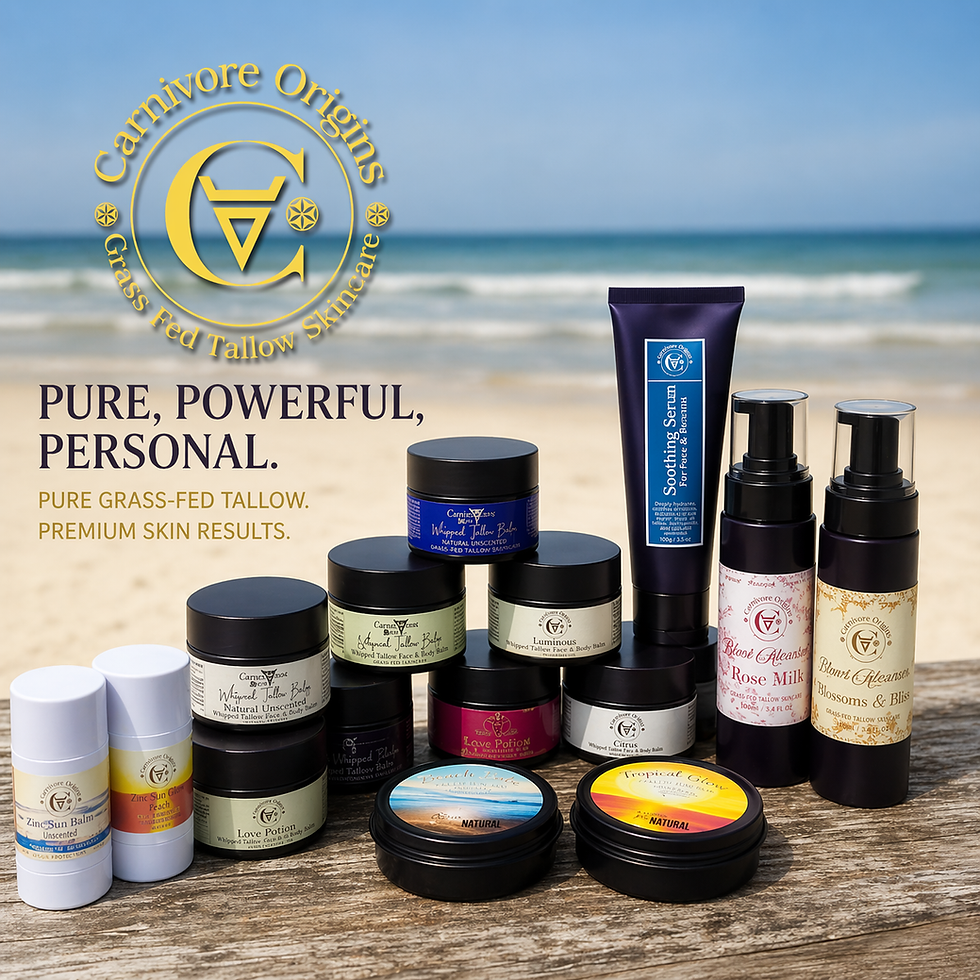
Bright Eyes Eye Balm was designed for this exact physiology. Not to wake the eyes up but to help them recover. Grass-fed tallow provides skin-identical fats that restore barrier integrity. Castor oil supports circulation and lymphatic movement. Cucumber seed oil cools and calms vascular reactivity. Chamomile infusion soothes inflammation and sensitivity.
No caffeine. No forced tightening. No temporary tricks. Just support so that fluid can move, tissue can soften, and the eyes can look rested again.

The Takeaway
If coffee is part of your life, that’s okay. But if your eyes are waking up puffy and your body is slower to recover, it’s not just "Oh, I must be tired." It’s feedback. Your skin, especially around the eyes, is usually the first place brave enough to tell the truth.
Understanding the Impact of Caffeine on Your Body
Caffeine can have various effects on your body. It can disrupt sleep patterns and lead to increased anxiety. This can create a cycle of fatigue and reliance on caffeine for energy. If you find yourself reaching for that cup of coffee every morning, consider how it affects your overall well-being.
Alternatives to Caffeine
If you’re looking for alternatives to caffeine, there are many options. Herbal teas, for example, can provide a soothing start to your day without the jitters. You might also explore adaptogens, which can help your body manage stress naturally.
The Importance of Hydration
Staying hydrated is crucial for overall health. Water plays a key role in maintaining skin elasticity and reducing puffiness. Make sure to drink plenty of water throughout the day. This simple habit can make a significant difference in how you feel and look.
Embracing a Holistic Approach
Taking care of your body involves more than just what you consume. It’s about a holistic approach to wellness. Consider incorporating regular exercise, mindfulness practices, and a balanced diet into your routine. These elements can work together to enhance your overall health and vitality.
With love,
Meeka
xo
P.S. If you’ve tried caffeine eye creams before and thought, “They work… for about ten minutes,” you’re not wrong. That tightening feeling is simply a momentary constriction. Bright Eyes doesn’t wake your eyes up. It helps them drain, soften, and settle, especially overnight when real repair happens. If you wake up puffy, this was made for you.


Comments